Polyaspartic Floor Coating for Your Garage or Slab
Request an estimate and compare, then decide
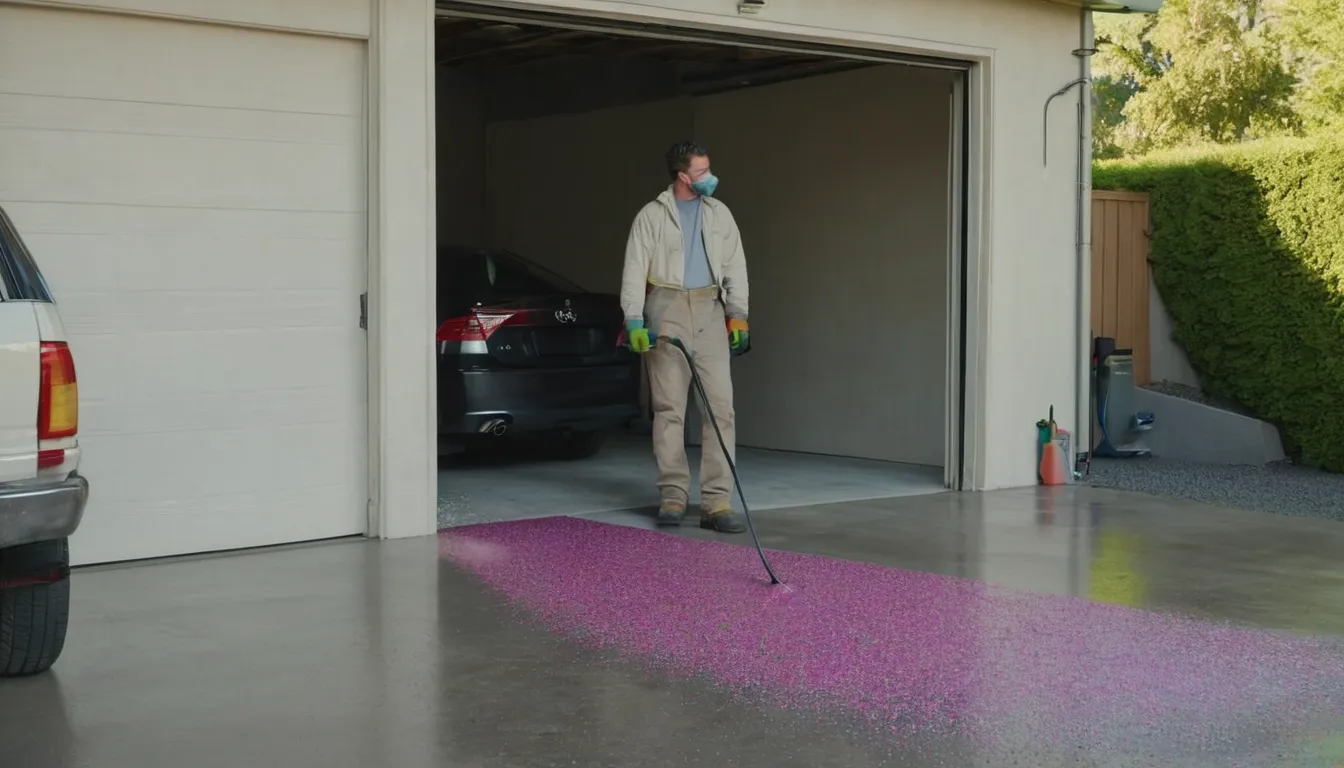
Polyaspartic is a tough coating that bonds to prepared concrete and cures much faster than many traditional options. Homeowners in the Loomis area often look at it for garages, patios, and workshop floors where downtime matters. It resists UV light, so it tends to stay clear instead of yellowing in bright sun.
Representationdrivers Floor Coating is a referral service. We do not install floors. We explain what drives the price, what a good written quote should list, and which mistakes to avoid. Then we connect you with an independent provider in our network. Quote before commitment. You can compare estimates, ask questions, and decide with no obligation and no pressure.
Short on Time? Read This First
Polyaspartic often lets a garage return to use sooner than other coatings. That speed is the main reason people ask about it. But fast cure leaves little room for error. The installer must be ready, the slab must be ready, and the weather must cooperate.
Prep decides everything. A rushed job on a damp or dusty slab can peel, no matter how good the product is.
Do and Do Not Before You Book
A few simple habits protect your money and your floor.
- Do ask for a written quote that lists the prep method, the number of coats, and the product name.
- Do clear the garage, including shelves and wall items near the floor.
- Do ask how the provider checks for moisture in the slab.
- Do not accept a quote that says only "coat the floor" with a single price.
- Do not let anyone skip grinding and rely on acid etching alone.
- Do not sign on the spot because of a short-time offer.
How Polyaspartic Differs From Epoxy
Both are resin coatings for concrete. They behave differently on the job.
Polyaspartic cures quickly, often allowing light foot traffic the next day. Epoxy usually takes longer to set. Polyaspartic also handles sunlight better, so it suits garages with big doors and bright afternoons. Epoxy can turn yellow or amber over time when UV hits it.
The tradeoff is working time. Polyaspartic sets fast, so the installer has less time to fix mistakes. Skilled application matters more, and that can show up in the price.
Full Polyaspartic or Hybrid System?
You will likely hear about two setups.
A full polyaspartic system uses polyaspartic in most or all layers. It is often the more costly route and can be done in fewer steps.
A hybrid system pairs an epoxy base with a polyaspartic top coat. It can cost less while still giving UV resistance on the surface.
Ask each provider which one they are quoting and why. Compare, then decide. A clear quote names the layers so you can line up two bids side by side.
The Installation Process, Step by Step
The order of work matters more than the brand name on the bucket.
- Inspect and test. The provider looks at cracks, stains, old sealers, and moisture.
- Grind the slab. Diamond grinding opens the concrete so the coating can grip.
- Repair. Cracks and chipped joints get filled before any color goes down.
- Coat in layers. Base, flakes if chosen, then clear top coat, each within its working window.
Most garage jobs take one to two days of work. Ask for the expected schedule in writing.
Fumes, Ventilation, and Safety
Coatings give off strong vapors while they are applied. Do keep kids, pets, and anyone with breathing trouble away from the garage. Do ask the provider how they ventilate the space and whether they use respirators. Do not run a gas heater or leave a water heater pilot exposed near fresh product unless the provider has cleared it. If a room shares a wall with the garage, ask about sealing the door.
Where Polyaspartic Works Well
It is a strong match for attached garages that get sun through the door. It also suits covered patios, outdoor walkways, workshops, and storage rooms. Busy homes like it because the floor can come back into service sooner.
It is not a cure for a slab with active moisture problems or heavy structural cracks. Those need fixing first. A good provider will say so, even if it means a smaller job.
Weather and Timing
In the Loomis area, long dry seasons give plenty of good coating windows. Dry slabs and steady temperatures help the coating bond. Winter rain events can raise slab moisture, and a wet slab is a poor surface for any coating. Wildfire smoke seasons bring dust and ash, so ask how the provider keeps the work area clean.
Ask the provider what temperature range the product needs. Do not book a job for a day when rain is likely to blow into an open garage.
Choosing Colors and Flake Blends
Flakes add color, hide small flaws, and give some texture. Gray and tan blends hide dust well. Dark solid colors show every footprint. Custom floor finishes, like metallic looks or mixed blends, usually cost more. Ask to see a sample board in your own garage light before you choose.
Slip Resistance
A glossy floor can be slick when wet. Ask about added grip, such as fine aggregate in the top coat. This matters most near the garage door and the entry step.
Caring for a Polyaspartic Floor
Keep it simple. Sweep or dust mop often. Mop with a mild cleaner and clean water. Wipe oil and chemical spills when they happen. Do not use harsh solvents or stiff wire brushes. Use mats under jack stands and rolling toolboxes. Ask the provider when the floor is ready for car tires.
Questions to Ask the Installer
- What prep method will you use, and is it in the quote?
- Is this a full polyaspartic or a hybrid system?
- How do you test for moisture?
- What does the warranty cover, and who backs it?
- What is the plan for ventilation and for my pets and kids?
What's Included
Slab Inspection
The provider checks cracks, stains, old sealers, and moisture before choosing a plan.
Diamond Grinding Prep
Grinding opens the concrete surface so the coating can grip and last longer.
Layered Coating Application
Base coat, optional color flakes, and a clear top coat are applied in the right order.
Final Walkthrough
You look over the finished floor and get care and cure instructions.
Typical Polyaspartic Floor Coating Costs
Prices vary with slab condition, floor size, and system type. These are typical U.S. ranges only. Compare at least two written quotes so you can see what each price includes before you commit.
| Item | Typical range | Notes |
|---|---|---|
| Full polyaspartic, per sq ft | $5 – $12 | Higher end for multi-layer systems |
| Hybrid epoxy and polyaspartic, per sq ft | $4 – $9 | Epoxy base with clear top coat |
| Two-car garage, full job | $2,500 – $6,000 | Roughly 400 to 500 sq ft |
| Diamond grinding prep, per sq ft | $1 – $3 | Often bundled into the price |
| Crack and joint repair | $200 – $1,000 | Depends on number and size |
| Flake or metallic upgrade, per sq ft | $1 – $4 | Custom looks cost more |
How It Works
Share Your Project
Tell us about your floor, its size, and what you want it to do.
Get Matched Locally
We connect you with an independent provider in our network who serves your area.
Review the Written Quote
Check the prep, layers, and schedule line by line.
Compare and Decide
Weigh quotes at your own pace and choose only if it feels right.
Why Call Representationdrivers Floor Coating
Prep Before Product
A good coating on poor prep still fails. Look for grinding and repairs listed in writing.
Quote Clarity
Itemized quotes make it easy to compare bids without guessing.
Safety Awareness
Fumes and slick surfaces deserve real planning, not an afterthought.
No Pressure
Compare, then decide. Requesting an estimate carries no obligation.
Other Services
Need polyaspartic floor coating in Loomis?
Planning a garage or concrete floor project? Request an estimate or ask a question. A local provider in our network can follow up with next steps.
No obligationPolyaspartic Floor Coating FAQ
How long does polyaspartic floor coating take to cure?
Many systems allow light foot traffic the next day, and vehicles a little later. Cure time depends on the product, temperature, and humidity. Ask your provider for a specific timeline in writing before work begins.
Is polyaspartic better than epoxy for a garage?
It depends on your needs. Polyaspartic cures faster and resists sun yellowing, while epoxy can cost less. Many providers also offer a hybrid. Compare written quotes to see the real difference.
How much does polyaspartic flooring cost for a two-car garage?
Typical U.S. prices run about $2,500 to $6,000, depending on prep, size, and system. Cracks and flake upgrades add cost. Always get a written quote that lists every layer and repair.
Reach a local provider
Planning a garage or concrete floor project? Request an estimate or ask a question. A local provider in our network can follow up with next steps.
No obligation